Sports Entertainment
Chairshot Top 5: WWE Stars Who Were Better Babyfaces Than Heels
Rey Mysterio, John Cena and other WWE stars reached their greatest heights when fans wanted to see them overcome the odds.

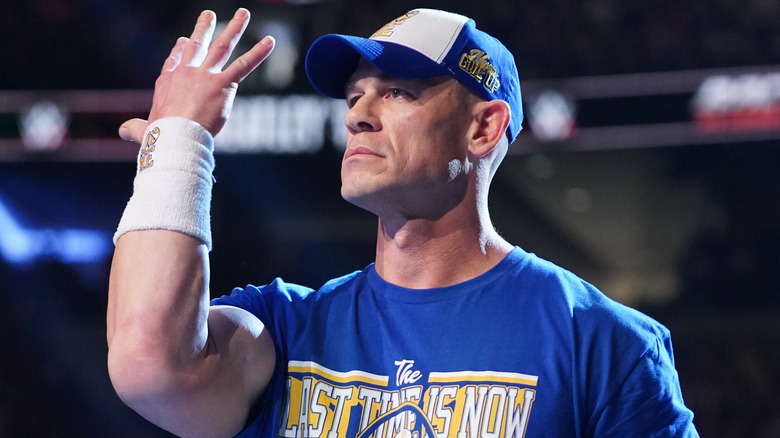
Rey Mysterio, John Cena and other WWE stars reached their greatest heights when fans wanted to see them overcome the odds.
Some wrestlers were born to make audiences hate them, while others were impossible to root against for very long. These five WWE stars reached their greatest heights when the fans were firmly on their side.
Becoming a successful babyface requires more than smiling, following the rules and telling the audience how happy someone is to be in their city. Wrestling fans must genuinely care whether that performer wins, loses or receives an opportunity that has been unfairly withheld.
That emotional connection can be difficult to manufacture. A wrestler might deliver every heroic promo correctly and still receive complete indifference when the bell rings.
The best babyfaces make the audience experience their journey alongside them. Their setbacks feel unfair, their comebacks feel earned and their championship victories create celebrations extending far beyond the people inside the arena.
Every wrestler on this list spent time working as a heel. Some were effective villains, and at least one produced a memorable heel run after fans had demanded it for nearly two decades.
Their greatest moments still came when the audience wanted them to succeed. These are the Top 5 WWE stars who were better babyfaces than heels.
5. Kofi Kingston
Kofi Kingston spent the majority of his WWE career as one of the company’s most consistently likable performers. His athleticism, colorful presentation and willingness to attempt almost anything made him an easy wrestler for younger fans to embrace.
The formation of The New Day briefly placed Kingston, Xavier Woods and Big E in heel roles. Their relentless positivity was initially presented as obnoxious, but the group became too entertaining to remain disliked.
That transformation revealed Kingston’s greatest strength. Even while performing heel tactics, he carried an energy that made fans want to participate rather than see him punished.
The defining proof arrived in 2019. Kingston’s unexpected performance in a gauntlet match created such an overwhelming response that WWE could no longer ignore the demand for him to challenge Daniel Bryan for the WWE Championship.
KofiMania worked because Kingston’s real career became part of the story. Fans remembered the spectacular Royal Rumble escapes, the years spent in tag teams and the singles opportunities that never quite materialized.
His victory at WrestleMania 35 became more than a championship change. Kingston celebrated with Woods, Big E and his children while an audience that had spent weeks fighting for the match finally received its reward.
Kingston has shown that he can play an arrogant heel, particularly when surrounded by the right personalities. His natural gifts remain optimism, excitement and perseverance, making him considerably more valuable as someone the audience wants to see overcome the odds.
4. Jeff Hardy
Jeff Hardy never required lengthy promos to earn sympathy. His willingness to sacrifice his body created an immediate bond with fans who understood that every breathtaking leap carried a legitimate physical price.
Hardy possessed an appearance and personality unlike anyone else on the WWE roster. The unusual face paint, arm sleeves and unpredictable movement made him feel like an outsider who had somehow become one of the company’s most popular stars.
That identity was difficult to translate into a traditional heel character. Hardy could become darker and more aggressive, but fans generally viewed those changes as additional layers rather than reasons to turn against him.
His strongest heel run occurred outside WWE as the leader of Immortal in TNA. Hardy committed fully to the role, but watching him manipulate opponents and insult the audience never felt as natural as watching him climb a ladder in pursuit of an impossible victory.
The peak of his WWE babyface career came at Armageddon 2008. After years of close calls and personal setbacks, Hardy defeated Edge and Triple H to capture his first WWE Championship.
The reaction went beyond appreciation for a popular wrestler winning a belt. It felt like an entire generation of fans had watched its favorite risk-taker finally survive long enough to reach the top.
Hardy’s appeal has always depended upon vulnerability. He was exciting because every match felt as though it might produce either a career-defining triumph or a painful crash back to reality. A heel is supposed to make the audience want to see someone else win. Jeff Hardy spent most of his career making that almost impossible.
3. Daniel Bryan
Daniel Bryan has demonstrated that he can be an outstanding heel. His self-righteous environmental crusader character was intelligent, obnoxious and responsible for introducing the world to a championship belt made from sustainable materials.
Bryan understood how to weaponize his real beliefs without turning the character into a complete parody. He talked down to audiences, labeled people fickle and created a villain who often made uncomfortable amounts of sense.
That run may have been his best character work, but it never surpassed the emotional power of the Yes Movement. Bryan’s greatest asset was always the audience’s belief that he had earned more than WWE was willing to give him.
He did not resemble the company’s traditional idea of a WrestleMania headliner. He was smaller, less polished and presented as someone management considered useful without viewing as the face of the promotion.
Those perceived limitations only strengthened his connection with fans. Every attempt to move Bryan away from the main event created louder chants and greater determination to see him return.
WrestleMania 30 became the payoff to that struggle. Bryan defeated Triple H in the opening match before overcoming Randy Orton and Batista to win the WWE World Heavyweight Championship in the main event.
The scene of more than 75,000 fans chanting “Yes!” while Bryan raised both championships remains one of WWE’s purest babyface celebrations. The audience did not merely approve of the result; it felt responsible for forcing the company to deliver it.
Bryan could make an audience hate him because he understood human behavior and knew exactly which nerves to target. He was even better when that understanding allowed millions of people to see part of themselves in his fight.
2. John Cena
John Cena may be the most complicated babyface in WWE history. He spent years receiving deafening cheers and equally loud boos, sometimes from different sections of the same arena.
The hostility created endless demands for WWE to turn Cena heel. Fans imagined what the company’s biggest star could accomplish if he finally stopped preaching hustle, loyalty and respect.
WWE eventually delivered that turn during Cena’s 2025 retirement tour. He aligned himself with The Rock, attacked Cody Rhodes and blamed the audience for years of rejection despite everything he had given the company.
Cena embraced the opportunity and clearly enjoyed exploring a side of his character that had remained dormant since the Doctor of Thuganomics era. The run created major headlines, but it also exposed why WWE had resisted the idea for so long.
Cena’s legacy was constructed around dependability. He served as the public face of WWE, granted hundreds of wishes and became the heroic constant connecting multiple generations of fans.
Even the divided reactions strengthened that role. Adults could boo while children wore his merchandise, allowing Cena to generate emotional investment without abandoning the position he occupied within the company.
His greatest rivalries also depended upon that identity. CM Punk opposed the corporate symbol Cena represented, The Rock challenged his claim to WWE ownership and Bray Wyatt attempted to expose the darkness hidden beneath the inspirational slogans.
The heel turn was interesting because it violated more than 20 years of history. Its power came from watching WWE’s ultimate company hero betray the values that had defined him.
Cena proved that he could play a villain when given the opportunity. His unmatched value still came from being the hero everyone measured themselves against, whether the audience loved him, hated him or did both simultaneously.
Honorable Mention: Sami Zayn
Sami Zayn became an entertaining heel by leaning into insecurity, conspiracy theories and an overwhelming desire for approval. His ability to talk made even the most ridiculous complaint sound like a grievance he had been carrying for years.
The Bloodline elevated that work to another level. Zayn began as an opportunist seeking acceptance from Roman Reigns, but his comedy and vulnerability gradually made him the emotional center of WWE’s most important storyline.
The problem was that audiences never completely wanted to hate him. Every attempt to prove his loyalty made Zayn more sympathetic, especially as Reigns treated him like a disposable member of the family.
His eventual refusal to attack Kevin Owens at the 2023 Royal Rumble produced one of the loudest reactions of the modern era. The moment worked because the audience had spent months waiting for Zayn to rediscover the courage that originally made him popular.
Zayn is skilled enough to thrive on either side of wrestling’s moral divide. His greatest strength remains making people care about him, which will always pull him back toward being a babyface.
1. Rey Mysterio
Rey Mysterio is the easiest choice for the top position because nearly every aspect of his career was designed to inspire support. His size, speed and style made him the ultimate underdog before WWE officially began using the phrase.
Mysterio spent his career standing across the ring from opponents who were taller, heavier and supposedly more powerful. Every victory required him to survive punishment, create an opening and use movement to overcome physical disadvantages.
That formula could have become repetitive. Mysterio kept it effective because his performances made every comeback feel urgent and every escape feel earned.
His connection with younger fans added another dimension. The masks, bright colors and superhero-like movement made Mysterio one of WWE’s most recognizable performers, while his humility allowed parents and longtime fans to embrace him just as strongly.
WWE occasionally placed Mysterio in situations where he showed frustration or behaved more aggressively. WCW had also experimented with presenting him as a cocky member of the Filthy Animals after he lost his mask.
None of those variations transformed him into a convincing long-term villain. Audiences understood that Mysterio’s natural role was fighting from underneath against opponents who believed they could overpower him.
His 2006 Royal Rumble victory captured everything that made the character work. Mysterio entered at No. 2, lasted more than an hour and earned a World Heavyweight Championship opportunity at WrestleMania 22.
The championship victory that followed completed one of WWE’s most memorable underdog stories. Mysterio defeated Randy Orton and Kurt Angle while carrying the emotional weight of his friendship with Eddie Guerrero.
His later rivalry with Dominik Mysterio reinforced the same dynamic from a different direction. Rey resisted fighting his own son until the circumstances left him no choice, allowing Dominik’s cruelty to make his father even more sympathetic.
A heel turn would require Rey Mysterio to abandon almost everything audiences value about him. His size would still make him an underdog, his offense would still generate excitement and generations of fans would still struggle to boo one of wrestling’s most beloved figures.
Some wrestlers become babyfaces because the story requires a hero. Rey Mysterio became a hero because nothing else ever felt believable.
Great heels create opponents the audience will pay to see defeated. Great babyfaces create emotional investments that make those defeats matter.
Kofi Kingston, Jeff Hardy and Daniel Bryan reached their greatest heights after fans spent years demanding that WWE take them seriously. Their championship victories felt personal because their supporters had experienced every delay and disappointment alongside them.
John Cena occupied a different position as the established hero who defined an entire era. His eventual heel turn generated attention, but its importance depended entirely upon the heroic legacy he was temporarily rejecting.
Rey Mysterio stands above everyone because supporting him always felt natural. He did not require authority figures to tell the audience he was inspirational, because every match visually explained why the smallest wrestler in the fight refused to stay down.
The most effective babyfaces make professional wrestling feel less predetermined. For a few minutes, the audience stops waiting for a planned finish and starts believing that its support might actually help the right person win.
Meta Title:
Meta Description:
Research includes information from WWE.com’s historical profiles, event archives and career retrospectives covering Rey Mysterio, John Cena, Daniel Bryan and Jeff Hardy.
Chairshot Radio Network
Launched in 2017, the Chairshot Radio Network presents you with the best in sports, entertainment, and sports entertainment. Wrestling and wrestling crossover podcasts + the most interesting content + the most engaging hosts = the most entertaining podcasts you’ll find!
MONDAY - Bandwagon Nerds
TUESDAY - 4 Corners Podcast
WEDNESDAY - The Grown Ass Man Podcast
THURSDAY - The Benchwarmers Trivia Podcast
FRIDAY - DWI Podcast (Drunk Wrestling Intellect)
SATURDAY - The Mindless Wrestling Podcast
SUNDAY - 30 Mindless Minutes
CHAIRSHOT RADIO NETWORK PODCAST SPECIALS
Attitude Of Aggression Podcast: The Big Five Project (chronologically exploring WWE's PPV/PLE history) Unidentified History (Ufology) & Game Gone Wrong (Game of Thrones Universe)
Chairshot Radio Network Your home for the hardest hitting podcasts... Sports, Entertainment and Sports Entertainment!
Powered by RedCircle
Let us know what you think on social media @ChairshotMedia and always remember to use the hashtag #UseYourHead!


Chairshot NFL News Report (10/11/2026): Marvin Harrison Jr. Trade Looms, OBJ Activated & Bills Lose Two Starters
Arizona prepares to trade Marvin Harrison Jr., Minnesota elevates Odell Beckham Jr. and Buffalo loses two starters before Monday Night...

Chairshot NFL News Report (10/10/2026): Mike Ditka Passes Away, Lamar Jackson Out & Eagles Lose Barkley
Mike Ditka passes away at 86, Lamar Jackson is ruled out, and the Eagles lose Saquon Barkley and DeVonta Smith...

Chairshot NFL News Report (10/9/2026): Buccaneers Stun Cowboys, Payton Takes Over & Pittman Sidelined
Tampa Bay stuns Dallas on Thursday Night Football, Sean Payton takes back Denver's offense and Michael Pittman Jr. faces a...


Chairshot NFL: Week 5 Preview, Greg’s New Power Rankings
Andrew Balaz is joined by Greg DeMarco (filling in for PC!) for Week 5 picks, NFL power rankings, weekly standouts,...

Chairshot NFL News Report (10/8/2026): Eagles Trade Jurgens, Ryans Takes Control & Mayfield Out
Philadelphia trades Cam Jurgens to Baltimore, DeMeco Ryans takes over Houston's defense and Baker Mayfield misses Thursday Night Football.


30 Mindless Minutes: Michael Bay back with Transformers?
Take your mind off of things, for 30 minutes.

Bandwagon Nerds News Report (10/11/2026): Cage Eyes True Detective, Blade Runner Returns & BlazBlue Levels Up
Nicolas Cage teases True Detective, Blade Runner 2099 gets a trailer and date, and BlazBlue: Central Fiction heads to PS5.

Bandwagon Nerds News Report (10/10/2026): Avatar Expands, Exorcist Returns & Ace Combat Soars
Avatar adds a Kuruk prequel, Mike Flanagan reveals his Exorcist, Ace Combat 8 becomes the series’ fastest million-seller, and DC...

Bandwagon Nerds News Report (10/9/2026): Cyberpunk Goes Hollywood, Xbox Builds XP & Marvel Reveals Zodiac
Cyberpunk 2077 gets a Paramount movie, Xbox launches its XP entertainment division and Marvel reveals Zodiac at New York Comic...

Grown Ass Man Podcast #008: Every Show Has An Alias Season 4
Greg and Patrick tackle college football chaos, Disney FOMO, sports cameos, WWE and wrestling fandom, TV nostalgia, and grown-ass adult...

Chairshot Top 5: Most Impressive Wrestling Mustaches
From Ox Baker’s enormous handlebars to Hulk Hogan’s iconic blond horseshoe, these are five of professional wrestling’s greatest mustaches.

Today In Pro Wrestling History: October 11th
Pro wrestling history thrives on evolution: from the high-flying J-Crown epic in '96 and Destruction '10, to STARDOM '15, Ellsworth's...

Chairshot Wrestling News Report (10/11/2026): Penta Wins MITB, Liv Morgan Regains Gold & Tiffany Makes History
Penta and Tiffany Stratton win Money in the Bank, Liv Morgan regains the Women's World Title, and TNA prepares for...


Mitchell’s AEW Collision Results & Report! (10/10/26)
Deuxième Partie!

Andrew’s MLW Fusion Results & Ratings: S8 E22
Opera Cup matches, a New York City Street Fight, and yet again, another squash match. And the crowd goes mild...

Mitchell’s WWE Money in the Bank Results & Report! (10/10/26)
Show me the money!

Chairshot Top 5: WWE Makeovers That Saved a Wrestler’s Career
From Rocky Maivia becoming The Rock to Isaac Yankem becoming Kane, these WWE makeovers transformed struggling acts into legendary careers.

Today In Pro Wrestling History: October 10th
From WWE SmackDown (2006) to TNA Bound for Glory (2010), track pro wrestling history alongside NJPW’s 2016 classics and Sukeban...


Mindless Wrestling Podcast: MITB!
Tune in every week as DJ, Rob and Jason give their thoughts on the world of pro wrestling and beyond!

Chairshot Wrestling News Report (10/10/2026): Bliss & Paxley Win Gold, Reigns Opens MITB & Caster Heads to TNA
Alexa Bliss and Tatum Paxley win WWE gold, Roman Reigns opens Money in the Bank, and Max Caster heads to...