Sports Entertainment
Chairshot Top 5: Wrestling Gimmicks That Aged Terribly
From Cryme Tyme and Eugene to Billy & Chuck and Muhammad Hassan, these wrestling gimmicks became much harder to watch with time.

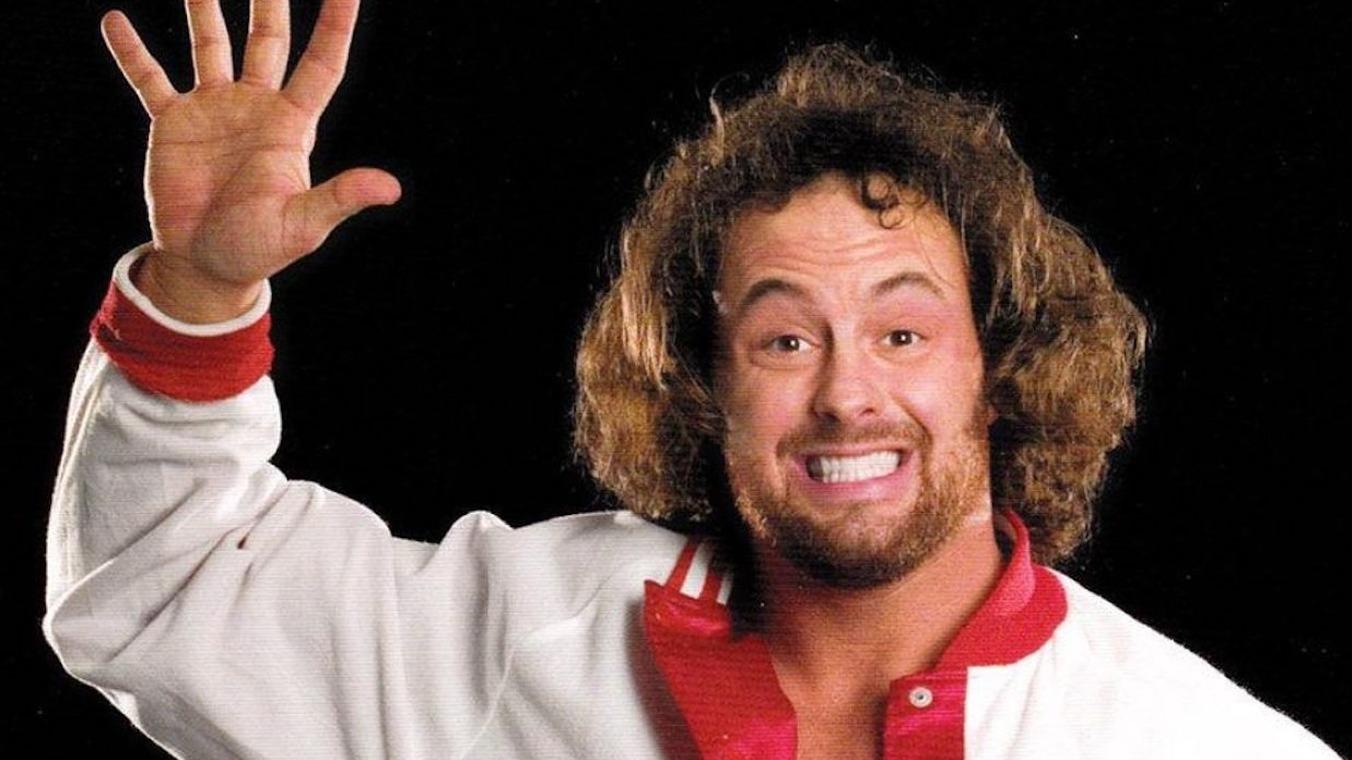
Some wrestling gimmicks were bad from the beginning. Others worked well enough in their own era before changing cultural standards made them much harder to watch. From ethnic stereotypes to storylines built around sexuality and disability, these characters have aged in ways their creators probably never expected.
Professional wrestling has always reflected the culture surrounding it, which means some gimmicks become more revealing with time than anyone intended.
Characters built around patriotism, gender, race, sexuality and social stereotypes can generate enormous reactions when they debut because the audience immediately understands what the promoter is referencing. The problem comes years later, when that same shorthand starts looking less like clever character work and more like a collection of assumptions that wrestling no longer needs.
That does not mean every performer involved deserves blame. Several wrestlers on this list were talented enough to make difficult material entertaining, while some gimmicks even became genuinely popular despite ideas underneath them that now feel uncomfortable.
The distinction also matters because this is not another list of wrestling’s worst gimmicks. A truly terrible idea can fail immediately without ever having time to age. These selections had enough relevance, popularity or television exposure that modern audiences can look back and clearly see how much wrestling culture has changed around them.
These are the Top 5 wrestling gimmicks that aged terribly.
#5 — The Mexicools
Juventud Guerrera, Psicosis and Super Crazy entered WWE in 2005 with enough collective talent to immediately strengthen the cruiserweight division.
WWE introduced them riding lawn mowers.
The Mexicools were presented as Mexican wrestlers rebelling against stereotypes, which at least gave the gimmick an internal explanation for the imagery. WWE later described the group as trying to tear those stereotypes down, and their promos positioned them as performers tired of being underestimated.
The problem was that the presentation still required them to perform the stereotypes first.
Their entrances involved John Deere-style riding mowers renamed “Juan Deere,” while the group leaned into exaggerated imagery associated with Mexican laborers. WWE’s own contemporary coverage enthusiastically described them arriving on the machines while declaring they were taking over SmackDown.
That combination makes the gimmick particularly strange in hindsight. The story supposedly said stereotypes were bad, but the visual joke depended entirely on the audience recognizing the same stereotypes WWE claimed the wrestlers were rejecting.
It also distracted from how good the group actually was.
Guerrera, Psicosis and Super Crazy had built substantial reputations before WWE through promotions including WCW, ECW and Mexican wrestling. All three could provide spectacular matches without needing lawn equipment to explain why they were different from everyone else.
Once the bell rang, the gimmick frequently became irrelevant because their wrestling could carry the act.
That may be the best evidence for how poorly the presentation has aged. The Mexicools were talented enough to succeed despite the joke. They never needed to be the joke.
#4 — Cryme Tyme
Shad Gaspard and JTG became popular because they were charismatic, funny and extremely likable together. The original concept around them was considerably more complicated.
WWE introduced Cryme Tyme in 2006 through vignettes built around two Black men from Brooklyn stealing, hustling and committing exaggerated petty crimes. WWE explicitly described the act at the time as a parody of racial stereotypes and said the segments were intended as broad comedy.
The word “parody” was doing a lot of work.
Their presentation included stealing wallets, selling other wrestlers’ possessions and speaking in deliberately exaggerated urban slang. Even contemporary WWE storylines occasionally acknowledged the problem, with Charlie Haas criticizing Cryme Tyme for reinforcing negative stereotypes while feuding with the team.
The uncomfortable part is that Gaspard and JTG themselves were entertaining enough to make the act popular.
Their chemistry was excellent, the “Money Money, Yeah Yeah” chant caught on and they built a genuine relationship with audiences. Their WWE.com series Word Up even became part of their broader appeal, with JTG and Shad explaining slang and interacting with other performers.
That popularity can make it tempting to dismiss the concerns surrounding the gimmick.It should probably do the opposite.
Cryme Tyme demonstrated that the performers underneath the premise possessed enough personality to get over without relying so heavily on caricature. Gaspard in particular had the size and presence to be taken seriously, while JTG was an athletic performer with natural television charisma.
A modern version of the team could probably retain the friendship, humor and Brooklyn identity while leaving much of the original material behind.
The fact that so much would need changing is exactly why the gimmick belongs here.
#3 — Eugene
Nick Dinsmore was an excellent pro wrestler. Most WWE fans were never supposed to notice.
Dinsmore had been one of Ohio Valley Wrestling’s standout performers and trainers before WWE introduced him in 2004 as Eugene, the nephew of Raw General Manager Eric Bischoff. The character was portrayed as having an intellectual disability while possessing an almost encyclopedic love of professional wrestling.
The gimmick became surprisingly popular.
Dinsmore committed fully to the role, crowds embraced Eugene and WWE placed him into storylines with some of the biggest names on the roster. He teamed with William Regal, interacted with The Rock and Hulk Hogan, and worked a major program with Triple H that included a match at SummerSlam 2004.
The character also had a clever wrestling component. Eugene copied famous moves because he had supposedly learned them through obsessive wrestling fandom, allowing Dinsmore to perform everything from the Rock Bottom to the Stunner while staying completely within the gimmick.
None of that solves the larger issue.
The humor regularly depended on the audience laughing at the behavior of someone presented as intellectually disabled. Characters manipulated Eugene because he supposedly could not understand their intentions, while emotional reactions and mannerisms were exaggerated to reinforce the premise.
Dinsmore has defended aspects of the character over the years and has discussed hearing from families who appreciated Eugene as a positive figure. That context matters because the response was not universally negative and the performer approached the role with more care than a simple description might suggest.
The presentation nevertheless belongs to a version of wrestling television that would be extremely difficult to recreate now.
A modern promotion could absolutely tell a story about a wrestler with an intellectual disability. It would almost certainly not build the character around the same comedic shorthand. That difference is what aging looks like.
#2 — Billy & Chuck
Billy Gunn and Chuck Palumbo became one of WWE’s most prominent tag teams in 2002 through a gimmick built almost entirely around audiences wondering whether they were gay.
That was the joke.
The pair wore matching gear, became increasingly affectionate and were accompanied by stylist Rico. Their entrance music repeatedly complimented their appearance, while television segments emphasized physical closeness and innuendo designed to make other characters uncomfortable.
The act eventually became successful enough to win the World Tag Team Championship twice. Then WWE took the storyline to its logical conclusion.
Chuck proposed to Billy, creating a heavily promoted commitment ceremony on SmackDown. The angle attracted attention beyond wrestling, with mainstream media covering what appeared to be WWE preparing to present a same-sex commitment ceremony on national television.
At the ceremony, Billy and Chuck revealed that they were not actually gay and said the entire relationship had been a publicity stunt. The storyline then pivoted into Eric Bischoff revealing himself beneath the minister disguise and orchestrating an attack.
That payoff is where the gimmick has aged most dramatically. There was nothing inherently wrong with presenting two male wrestlers as a couple. Wrestling could easily do that today without the relationship itself functioning as the joke.
Billy and Chuck were different because comedy repeatedly came from the possibility that two men might be romantically involved and from the discomfort everyone around them supposedly felt about it.
The eventual declaration that they were not gay effectively reassured the audience that the entire thing had been pretend. WWE’s own later retrospective still described the team through jokes about their closeness and acknowledged the enormous media attention generated by the ceremony.
Billy Gunn and Chuck Palumbo both committed enough to make the act memorable, and the team was genuinely successful inside the ring. The presentation around them now feels like a time capsule from a period when simply implying a same-sex relationship was considered sufficient material for months of wrestling comedy.
Honorable Mention — The Godfather
The Godfather was one of the Attitude Era’s most popular characters, and that popularity is precisely what makes evaluating the gimmick interesting now.
Charles Wright entered arenas wearing brightly colored clothing while surrounded by women WWE openly referred to as his “Ho Train.” Before many matches, The Godfather would offer opponents the opportunity to skip the fight and leave with the women instead.
Crowds loved it.
WWE still remembers the character fondly, inducted Wright into its Hall of Fame in 2016 and has repeatedly celebrated the entrance as one of the era’s most recognizable acts.
The part that has aged awkwardly is not Wright’s charisma. It is the presentation of women essentially functioning as prizes.
The women accompanying Godfather rarely had individual identities within the gimmick because the entire joke depended on treating them collectively as something another wrestler could be offered in exchange for abandoning a match.
That fit the Attitude Era’s broader approach to sexual content and objectification, but it would be extremely difficult to reproduce without substantial changes now.
The Godfather misses the main ranking because the character was always intentionally exaggerated and Charles Wright possessed enough warmth and charisma to make the presentation feel more celebratory than malicious.
Still, anyone watching the gimmick for the first time today is likely to notice something audiences in 1999 barely questioned. The train came with considerably more baggage than it appeared to at the time.
#1 — Muhammad Hassan
Muhammad Hassan began as one of WWE’s most interesting attempts to address prejudice. Within months, the character had transformed into exactly the stereotype it originally claimed to criticize.
Mark Copani debuted as Hassan in late 2004 alongside Shawn Daivari. The character presented himself as an Arab-American angry about discrimination he experienced after the September 11 attacks, arguing that Americans automatically viewed him with suspicion because of his appearance and heritage.
There was legitimate potential in that idea.
A wrestling heel convinced the audience disliked him because of prejudice could create uncomfortable but meaningful television, especially if the audience gradually realized some of his complaints had merit. Daivari speaking Farsi added another layer that fans frequently treated as inherently threatening despite having no idea what he was saying.
WWE quickly moved away from that complexity.
Hassan increasingly became the foreign menace he had originally insisted he was not. Opponents framed conflicts around American patriotism, while WWE television positioned Hassan and Daivari as antagonists whose grievances became less important than their supposed hostility toward the country around them.
The storyline reached its infamous breaking point on the July 7, 2005 episode of SmackDown.
After Daivari lost to The Undertaker, five masked men dressed in black entered the ring, attacked Undertaker and choked him with a wire while Hassan watched and prayed. They then carried Daivari away above their heads.
The episode had been taped two days earlier. It aired the same day as the London transit bombings that killed more than 50 people.
The timing created immediate controversy, but the larger issue extended beyond bad luck. The imagery was already unmistakably designed to evoke terrorism, regardless of WWE’s insistence that the attackers were not explicitly identified that way.
UPN and WWE faced substantial criticism. The segment was edited from some international broadcasts, Hassan was removed from television soon afterward and Copani’s WWE career effectively ended.
The character had lasted less than a year. No gimmick on this list demonstrates more clearly how quickly wrestling can move from provocative storytelling into something it cannot control.
Muhammad Hassan began with a premise that could have challenged wrestling audiences: an American wrestler arguing that prejudice had made him an outsider in his own country. By the end, WWE had turned him into the visual embodiment of the prejudice he supposedly resented.
That would be questionable television in any era. Watching it now makes the contradiction impossible to ignore.
Professional wrestling has always used shortcuts to communicate character. Clothing, accents, occupations, sexuality and ethnicity can immediately tell an audience what reaction promoters want before the wrestler says anything.
Those shortcuts become dangerous when they rely too heavily on assumptions the culture eventually leaves behind.
The Mexicools and Cryme Tyme demonstrate how talented performers can become trapped inside stereotypical presentations even when the stated intention is parody. Eugene shows how comedy built around disability can become much harder to defend once the audience develops different expectations for representation.
Billy and Chuck may be the clearest example of changing social standards because the possibility of two men being romantically involved supplied much of the joke. A storyline using the same basic relationship today would need to find conflict somewhere other than the relationship itself.
Muhammad Hassan ultimately stands apart because the character did not merely age poorly over decades. The premise collapsed while WWE was still producing it.
What began as commentary on anti-Arab prejudice transformed into terrorist imagery so inflammatory that the character disappeared from television almost immediately. Wrestling will always create characters that belong unmistakably to their era.
The challenge is creating ones that survive it.
Research included archival material from WWE.com covering the debut and presentation of Cryme Tyme, the Mexicools’ 2005 run, Billy & Chuck’s commitment ceremony, The Godfather, Muhammad Hassan and Shawn Daivari, along with contemporary WWE and media coverage of the July 2005 Hassan controversy.
Chairshot Radio Network
Launched in 2017, the Chairshot Radio Network presents you with the best in sports, entertainment, and sports entertainment. Wrestling and wrestling crossover podcasts + the most interesting content + the most engaging hosts = the most entertaining podcasts you’ll find!
MONDAY - Bandwagon Nerds
TUESDAY - 4 Corners Podcast
WEDNESDAY - The Grown Ass Man Podcast
THURSDAY - The Benchwarmers Trivia Podcast
FRIDAY - DWI Podcast (Drunk Wrestling Intellect)
SATURDAY - The Mindless Wrestling Podcast
SUNDAY - 30 Mindless Minutes
CHAIRSHOT RADIO NETWORK PODCAST SPECIALS
Attitude Of Aggression Podcast: The Big Five Project (chronologically exploring WWE's PPV/PLE history) Unidentified History (Ufology) & Game Gone Wrong (Game of Thrones Universe)
Chairshot Radio Network Your home for the hardest hitting podcasts... Sports, Entertainment and Sports Entertainment!
Powered by RedCircle
Let us know what you think on social media @ChairshotMedia and always remember to use the hashtag #UseYourHead!


Chairshot NFL News Report (11/12/2026): Watson Returns, Beck Gets His Shot & Cousins Prepares for Vikings Debut
Deshaun Watson returns for Cleveland, Carson Beck earns his first NFL start, Kirk Cousins prepares for Minnesota, and Puka Nacua...

Greg DeMarco’s NFL Power Rankings: Jaguars Take Over No. 1 After Week 9
Jacksonville takes over No. 1 in Greg DeMarco's NFL Power Rankings after Week 9, while Buffalo surges and Minnesota takes...

Chairshot NFL News Report (11/11/2026): Kirk Cousins Returns to Vikings as NFL Trade Deadline Reshapes Contenders
Kirk Cousins returns to Minnesota, the Chiefs acquire Josh Downs, and Buffalo adds Amani Hooker. Full NFL trade deadline analysis...


4 Corners Podcast: Getting Bullish About the Bears!
The 4 Corners Podcast is back as Patrick admits his Bears are quite good and also discuss the favoritism that...

Chairshot NFL News Report (11/10/2026): Jaguars Go All-In, Bills Dominate Vikings & Aiyuk Reinstated
Jacksonville makes three major defensive trades, Buffalo dominates Minnesota, Brandon Aiyuk is reinstated, and injuries hit the Rams and Packers.

Bandwagon Nerds News Report (11/12/2026): Endgame Encore, Resident Evil Wins Big, and More Middle-earth
Endgame Encore heads to Disney+, Resident Evil dominates the Golden Joysticks, Adults gets renewed, and The Good Daughter premieres on...

Grown Ass Man Podcast #011: I Can’t Speak To AIDS, But Don’t Recommend Cancer
Greg and Patrick talk Bears and Nebraska football, QB hype, unlimited PTO, indie wrestling business, voting, and lessons that come...

Bandwagon Nerds News Report (11/11/2026): Stacy Keach Remembered, Garth Brooks Goes FM & GTA VI Preloads
Remembering Stacy Keach, Garth Brooks plans a Nashville radio station, GTA VI preloads begin, and Marvel Rivals welcomes Nightcrawler and...

Bandwagon Nerds News Report (11/10/2026): DC Changes Leadership, Blade Runner Returns & Streaming Gets Rebundled
James Gunn and Peter Safran exit DC leadership, Blade Runner 2099 unveils its final trailer, and Paramount+ and HBO Max...
Bandwagon Nerds #366: The Four Faces of Bettany
Bandwagon Nerds talks VisionQuest Episode 7 and Paul Bettany's masterful performance. The guys also check out trailers for The Gallerist...


Mitchell’s WWE SmackDown Results & Report! (11/13/26)
It's rrrreeeal~!


Attitude Of Aggression #377- The Big Five Project: Summer Slam ’97
The Big Five Project returns to cover Summer Slam '97 including near disaster for Stone Cold and Bret Hart capturing...

Andrew’s JCW Lunacy Results & Ratings: Ep #107
3 title matches tonight! Linear Heavyweight title, Lunacy World title and the Tag Team titles are all on the line....

Today In Pro Wrestling History: November 13th
From ECW November to Remember '93 and Sting vs. Sasaki '95 to TNA Turning Point '11, Talk 'N Shop-A-Mania 2,...

DWI Podcast #541: Return of the Platt
Don't drink and drive, drink and podcast! Join DP and PC weekly for their thoughts on RAW, SmackDown and every...

Andrew’s TNA iMPACT! Results & Ratings: 11.12.2026
The Go Home for Destination X! Heather by Eelegance gets baited into a match, Nic has to put his rematch...


Axe Bomber Podcast #007 – A Hard Boiled Egg
Greg DeMarco and Andrew Balaz discuss Josh Bishop, TNA Destination X, NXT, JCW and Shane Haste vs. Tetsuya Naito.

Today In Pro Wrestling History: November 12th
Relive wrestling history: 2001 WWF Raw, 2010 ROH Survival of the Fittest, 2011 DGUSA Bushido, and 2023 Stardom Goddesses Tag...

Chairshot NFL: Week 10 Preview, The Facts of Life
Don't drink and drive, drink and podcast! Join DP and PC weekly for their thoughts on RAW, SmackDown and every...

Chairshot Wrestling News Report (11/12/2026): Motor City Machine Guns Win Series, Shafir Stuns Moné & Full Gear Takes Shape
Motor City Machine Guns defeat FTR, Marina Shafir submits Mercedes Moné, and AEW finalizes major Full Gear matches as TNA...